Fleet Maintenance 101: How to Keep Your Work Trucks Running All Season
One work truck sitting in the driveway can affect an entire day’s schedule. A missed service call, delayed delivery, or stranded employee quickly becomes more expensive than a routine inspection.
For fleet operators, preventive maintenance is one of the best ways to protect uptime and control repair costs. Whether you manage pickup trucks, cargo vans, box trucks, or service vehicles, a simple maintenance plan can help keep your fleet safe and productive throughout the year.
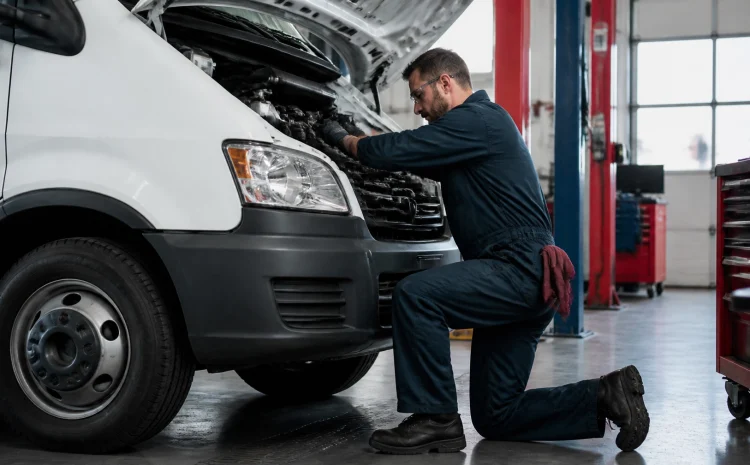
At Express Tire & Auto Service, we provide fleet and truck service in Panama City Beach for businesses that cannot afford unnecessary downtime. Our ASE-certified technicians bring more than 20 years of dealership leadership experience and over 50 years of combined automotive expertise to every vehicle we service.
Why is preventive maintenance important for work trucks?
Fleet vehicles often experience tougher conditions than personal vehicles. They may carry heavy tools or materials, idle for long periods, travel over rough roads, and make frequent stop-and-go trips.
That workload can accelerate wear on:
- Tires and suspension components
- Brakes and wheel bearings
- Engine oil and filters
- Batteries and charging systems
- Cooling systems
- Belts, hoses, and other rubber parts
Preventive maintenance finds small problems before they become major breakdowns. A worn tire discovered during a scheduled inspection is much easier to manage than a blowout during a customer appointment.
A good fleet program also gives you a clearer view of operating costs. By tracking repairs, you may notice that one vehicle is wearing tires quickly, another is consuming oil, or a particular unit needs more frequent brake service.
How should you build a fleet maintenance plan?
What information should you track for each vehicle?
Start with a basic record for every truck or van. Include:
- Year, make, and model
- Vehicle identification number
- Current mileage
- Engine hours, if available
- Typical load and driving conditions
- Assigned driver or department
- Service history
- Open repair concerns
Mileage is important, but it is not the only factor. A truck that spends hours idling or making short trips through Panama City Beach may need attention sooner than a vehicle that drives steadily on the highway.
Use the manufacturer’s maintenance schedule as your starting point. Then adjust the plan for severe service, heavy loads, frequent idling, dusty work sites, and local driving conditions.
Should maintenance be based on time, mileage, or engine hours?
For most fleets, the answer is all three.
A low-mileage service van can still need regular oil changes if it spends many hours idling. A high-mileage work truck may reach its service interval quickly. Calendar time also matters because fluids, batteries, belts, and tires can age even when a vehicle is not driven often.
As a general starting point, many light-duty fleets use a schedule similar to this:
- Daily: Driver walk-around and safety checks
- Every 5,000–10,000 miles: Oil and filter service, tire inspection, and basic brake check
- Every 6,000–12,000 miles: Tire rotation or inspection based on the tire manufacturer’s recommendations
- Every 10,000–20,000 miles: More complete brake, steering, and suspension inspection
- Every 12 months: Comprehensive vehicle inspection and review of service history
These are not universal replacement intervals. We recommend confirming the correct schedule for each vehicle and adjusting it for how your fleet is used.
What should drivers inspect every day?
A quick pre-trip inspection can catch issues before a vehicle leaves the yard. It does not need to take long, but it should be consistent.
Drivers should look for:
- Low, damaged, or visibly uneven tires
- Objects stuck in the tread
- Fluid spots underneath the vehicle
- Cracked belts or leaking hoses
- Broken headlights, brake lights, or turn signals
- Damaged mirrors, wipers, or windshield glass
- Warning lights on the dashboard
- Unusual brake pedal feel
- New vibrations, pulling, noises, or odors
The driver should report changes immediately. A soft brake pedal, longer stopping distance, or strong pull to one side should not wait until the next scheduled service.
For additional fleet management guidance, resources such as Fleetio’s preventive maintenance overview and Government Fleet’s maintenance program guidance provide useful planning ideas.
How can you reduce fleet tire problems?
Tires are among the most important fleet components because they affect safety, fuel economy, handling, and uptime.
Why does tire pressure matter?
Work trucks often carry different loads from one day to the next. Underinflation can create excess heat, faster shoulder wear, and reduced fuel efficiency. Overinflation can reduce traction and contribute to uneven tread wear.
Check pressure when the tires are cold and use the vehicle manufacturer’s recommended PSI. Do not rely only on appearance. A tire can be underinflated without looking flat.
When should fleet tires be rotated or aligned?
Rotation helps distribute wear, but it should be performed according to the vehicle and tire manufacturer’s guidance. Alignment should be checked when you notice:
- Steering wheel misalignment
- Pulling to one side
- Feathered or cupped tread
- One shoulder wearing faster than the other
- Steering wheel vibration
Our tire and alignment service includes tire installation, repair, balancing, and wheel alignment for cars, trucks, SUVs, and fleet vehicles.
In Panama City Beach, heat, heavy rain, road debris, and frequent coastal driving can all make tire inspections especially important. Good tread depth and correct pressure help your vehicles maintain grip when roads are wet.

Which fluids and filters should fleets monitor?
Fluids help control heat, reduce friction, and protect expensive components. A small leak or neglected fluid service can lead to significant downtime.
Your maintenance plan should include checks for:
- Engine oil
- Coolant
- Brake fluid
- Transmission fluid
- Power steering fluid, where applicable
- Windshield washer fluid
- Differential or transfer case fluid, where applicable
Filters matter too. Engine air filters may load up faster in dusty environments, while fuel and cabin filters also need to follow the vehicle manufacturer’s schedule.
Our auto maintenance services include oil changes, fluid services, filters, tire rotations, and multi-point inspections. We explain why a service is recommended rather than simply handing you a list of parts.
How often should fleet brakes be inspected?
Fleet trucks often make more stops than personal vehicles. That increases brake wear and heat.
Drivers should report:
- Squealing, grinding, or clicking
- Brake pedal vibration
- Pulling during braking
- A soft or sinking pedal
- Longer stopping distances
- Brake warning lights
During a professional inspection, technicians can check pad or shoe thickness, rotors or drums, brake lines, hoses, hardware, parking brake operation, and fluid condition.
Do not wait for noise before inspecting the brakes. Some brake problems develop quietly, and continuing to operate a loaded work truck can increase stopping risk.
You can learn more about our brake repair services and schedule an inspection when your fleet needs attention.
What are common fleet maintenance mistakes?
What should fleet operators avoid?
Waiting for a breakdown. Reactive repairs usually cost more because they may involve towing, missed work, emergency parts, and lost customer time.
Using one schedule for every vehicle. A heavily loaded van, a short-trip service truck, and a highway-driven pickup do not experience the same wear.
Ignoring driver feedback. Drivers are often the first people to notice a vibration, noise, warning light, or handling change.
Skipping documentation. Without service records, it is easy to miss recurring issues or perform the same inspection twice.
Replacing parts without finding the cause. If one truck repeatedly wears the inside edge of its tires, replacing tires alone may not solve the problem. Alignment, suspension, or steering components may need inspection.
How can Express Tire help reduce fleet downtime?
We service fleet vehicles, trucks, vans, and service vehicles of all makes and models. Our goal is to help you keep your business moving with practical maintenance, accurate diagnostics, and repairs that make sense for your operation.
When you choose Express Tire & Auto Service, you receive:
- ASE-certified technicians
- More than 20 years of dealership leadership experience
- More than 50 years of combined automotive expertise
- Same-day service when scheduling and parts availability allow
- Walk-in service for many urgent needs
- Upfront pricing with no surprises
- Personal attention from a family-owned local business
- Fleet maintenance designed to minimize commercial vehicle downtime
If you are searching for auto repair near me or need same day auto repair for a work truck near Panama City Beach, our team is ready to help. Visit our fleet and truck service page or contact Express Tire to discuss a maintenance plan.
A little planning can provide a lot of peace of mind. We will help you understand what your vehicles need, why it matters, and how to keep your fleet working with confidence.
Image sources: Company-approved realistic automotive photos.