
Why Is My Battery Dead on the First Cold Morning? Florida Heat’s Hidden Battery Toll
You turn the key on the first cool morning of the season, and hear a slow groan, a rapid click, or nothing at all. It feels like the cold killed your battery overnight. Often, though, Florida’s summer heat has been wearing it down for months. The first chilly morning simply reveals the damage.
Here’s why that happens, what warning signs to watch for, and how a battery and charging-system test can help you avoid a no-start before holiday travel.
How can summer heat lead to a dead battery in cooler weather?
A car battery uses chemical reactions to provide the power needed to start your engine. High under-hood temperatures speed up battery wear, contributing to internal corrosion and, in some battery designs, fluid loss. That damage gradually reduces the battery’s ability to hold and deliver power.
Then cooler weather adds another challenge. Cold slows the battery’s chemical reaction, while a cold engine takes more effort to turn over. A battery that seemed fine during warmer days may no longer have enough power to start reliably when morning temperatures dip.
The AAA guide to car battery life notes that batteries commonly last about three to five years, and that hot climates can shorten their service life. If your battery is around three years old, it’s worth having it tested rather than waiting for a complete failure.
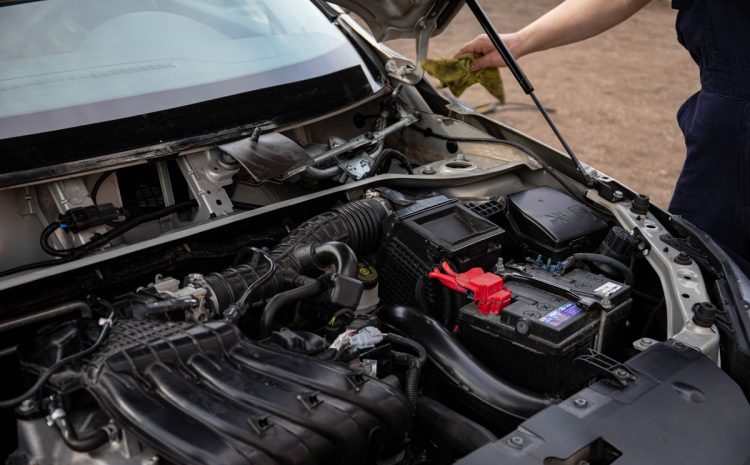
In Panama City Beach, humid, salt-laden air can also encourage corrosion on battery terminals and cable connections. Corrosion adds resistance, making it harder for the starter to draw power. Heat, age, damp conditions, and a weak connection can combine to make a marginal battery show its limits.
What are the warning signs of a weak car battery?
A battery often gives clues before it leaves you stranded. Pay attention if you notice:
- Slow cranking: The engine turns over sluggishly when you start the car.
- Clicking: You hear repeated clicks, but the engine doesn’t crank normally.
- Dim or flickering lights: Headlights or dashboard lights look weaker than usual, especially while starting.
- A battery or charging-system warning light: This may point to a charging-system issue as well as a battery concern, so it needs proper diagnosis.
- Visible corrosion or loose connections: Buildup around the posts or clamps can interrupt current.
- A swollen battery case: This may signal a serious battery problem. Don’t try to jump-start or handle a swollen battery; seek professional help.
- A battery that’s three years old or more: Age alone doesn’t prove it has failed, but it’s a good reason to check its condition.
A check engine light is different from a battery or charging warning light. If it appears along with starting trouble, don’t assume the battery caused it. A technician can check the warning and determine whether it’s related.

What does a battery and charging-system test check?
A reliable test looks beyond whether the car starts once. It helps determine whether the battery can deliver the power your vehicle needs, and whether the charging system is replenishing it.
A technician may:
- Inspect the battery and connections for corrosion, loose clamps, damaged cables, and a secure hold-down.
- Test battery condition and starting ability using equipment suited to the battery and vehicle.
- Check alternator output to see whether the charging system is supplying power while the engine runs.
- Recommend further diagnosis if needed. If the battery and alternator test well but the battery keeps going flat, there may be another issue, such as a drain when the vehicle is parked.
That last step matters. A jump-start can get you moving, but it doesn’t reveal why the battery went flat. The battery-versus-starter-versus-alternator guide explains why these problems can feel similar and why testing is more useful than guessing.

When should you replace the battery instead of cleaning the terminals?
If corrosion is limited to the connections, cleaning and securing them may restore a good electrical connection. But cleaning won’t repair a battery that has lost its ability to hold a charge.
Replacement may be the sensible choice when a proper test shows the battery can no longer meet your vehicle’s needs, or when it’s damaged or swollen. The right replacement should match your vehicle’s requirements for battery type, size, terminal layout, and starting capacity. Bigger numbers aren’t automatically better; correct fit and manufacturer specifications matter.
The Interstate battery temperature guide also explains why heat-related battery wear may become noticeable when temperatures fall. If you’re unsure whether you need a battery, a connection repair, or charging-system work, testing helps identify the cause before parts are replaced.
What battery mistakes should you avoid?
A few common shortcuts can lead to repeat trouble, or an unnecessary repair:
- Jump-starting and moving on without testing. A jump may restart the car, but it won’t tell you whether the battery, alternator, or another system caused the problem.
- Assuming the alternator is fine because the car started. The battery may have enough charge for one start even if the charging system isn’t working correctly.
- Replacing the battery without checking the alternator. A charging fault can leave a new battery undercharged and cause the same no-start again.
- Ignoring corrosion. Buildup and loose terminals can interfere with current even when the battery itself is still serviceable.
- Handling a swollen or damaged battery. Leave it to a professional rather than attempting a jump-start or home repair.
If you need a jump-start, follow your vehicle’s instructions and use the correct connection points. When you’re unsure, call for assistance. For more detail on diagnosing a no-start, read our guide to battery, starter, and alternator symptoms.
How can you reduce the chance of a holiday-travel breakdown?
A quick check before a holiday trip can help catch a weak battery while you still have time to address it. Consider testing it if it’s around three years old, cranks slowly, has visible corrosion, or has needed a jump-start recently.
You can also:
- Keep battery connections clean and secure.
- Avoid leaving lights or accessories on when the engine is off.
- Mention frequent short trips or long periods of parking when you request a test.
- Have a repeat dead-battery problem investigated instead of relying on repeated jump-starts.
If you’re searching for car diagnostics near me or auto repair near me because your vehicle is slow to start, a battery and charging-system check can help narrow down the cause. At Express Tire & Auto Service, our ASE-certified technicians bring more than 50 years of combined expertise, including over 20 years of dealership leadership experience. We explain what we find and provide upfront pricing before recommended work.
Where can you get a battery checked near Panama City Beach?
If your car is slow to crank, the battery warning light is on, or you want peace of mind before holiday travel, stop by Express Tire & Auto Service at 506 Navy Blvd, Panama City Beach, FL 32407. We welcome walk-ins and offer same-day service when available. Our family-owned team will talk through the test results and explain why any repair is recommended, without surprises.
Check our battery and general auto repair services or contact us before you visit. A timely test can help you start your next drive with more confidence.